
Introduction
A neck of femur fracture (hip fracture) is one of the most serious orthopedic injuries, especially in older adults. It commonly occurs due to falls, trauma, or weakened bones and can significantly impact mobility, independence, and quality of life.
Early diagnosis, proper orthopedic management, and structured physiotherapy rehabilitation are essential for optimal recovery. Without timely treatment, complications such as immobility, muscle weakness, and even life-threatening conditions can develop.
This article provides a complete guide on causes, risk factors, surgical options, physiotherapy management, and precautions for neck of femur fractures.
What is a Neck of Femur Fracture?
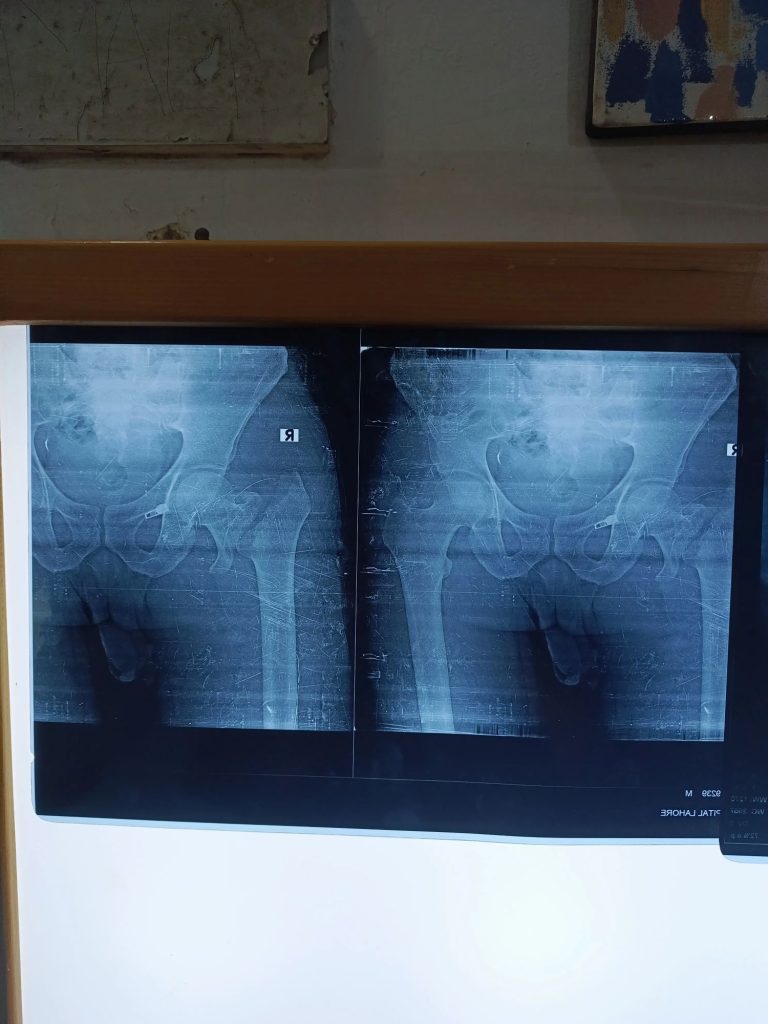
The femur (thigh bone) is the longest and strongest bone in the body. The neck of the femur connects the head of the femur to its shaft and plays a vital role in hip movement.
A fracture in this region is called a neck of femur fracture, which usually occurs:
Inside the hip joint (intracapsular fracture)
Due to trauma or bone weakness
Causes of Neck of Femur Fracture
1. Falls (Most Common Cause)
Slipping in the bathroom
Tripping over objects
Poor balance in elderly patients
2. Osteoporosis
Weak and brittle bones increase fracture risk
Common in postmenopausal women
3. High-Energy Trauma
Road traffic accidents
Sports injuries
Falls from height
4. Pathological Fractures
Bone tumors
Metastasis (cancer spread to bone)
Risk Factors
Understanding risk factors helps in prevention:
Age
People above 60 years are at high risk
Gender
Females are more prone due to osteoporosis
Sedentary Lifestyle
Weak muscles → increased fall risk
Poor Nutrition
Low calcium and vitamin D intake
Previous Fractures
History of fractures increases future risk
Neurological Conditions
Stroke
Parkinson’s disease
Balance disorders
Vision Problems
Poor eyesight increases fall chances
Signs and Symptoms
Severe pain in hip or groin
Inability to stand or walk
Shortened leg on affected side
External rotation of the leg
Swelling and tenderness
Diagnosis
Diagnosis involves:
X-ray (primary tool)
MRI or CT scan (if fracture not visible on X-ray)
Clinical examination
Orthopedic Management
Treatment depends on:
Patient’s age
Activity level
Type of fracture
1. Surgical Management (Most Common)
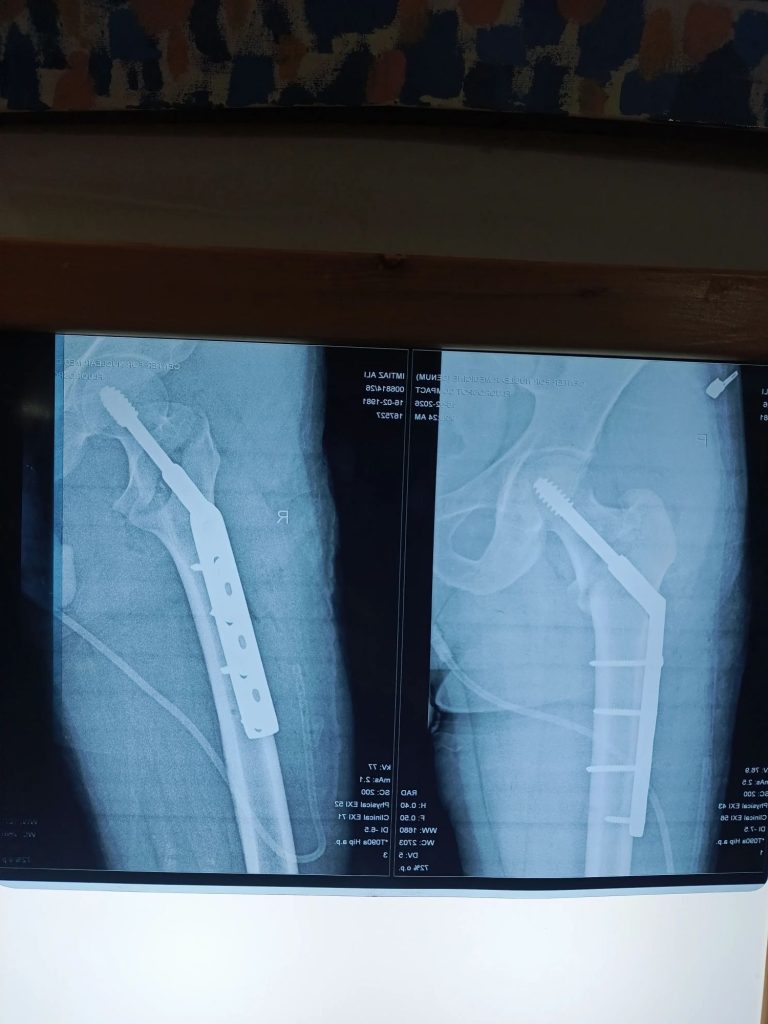
a. Internal Fixation
Screws or plates used to fix bone
Suitable for younger patients
b. Hemiarthroplasty
Partial hip replacement
Common in elderly patients
c. Total Hip Replacement (THR)
Complete joint replacement
Used in active elderly patients
2. Conservative Management (Rare)
Bed rest and traction
Used only when surgery is not possible
Importance of Physiotherapy in Neck of Femur Fracture
Physiotherapy plays a critical role in recovery and functional independence.
Key Benefits:
Prevents complications (bed sores, pneumonia)
Improves mobility and strength
Restores walking ability
Reduces pain and stiffness
Enhances balance and coordination
Physiotherapy Management (Stage-wise)
Phase 1: Acute Phase (Day 1–7)
Goals:
Pain management
Prevent complications
Maintain circulation
Interventions:
Ankle pumps (prevent DVT)
Deep breathing exercises
Gentle ROM exercises (non-operated joints)
Positioning techniques
Phase 2: Early Rehabilitation (Week 2–6)
Goals:
Improve mobility
Begin weight bearing (as advised)
Exercises:
Quadriceps strengthening
Gluteal sets
Assisted hip movements
Bed mobility training
Transfer training (bed to chair)
Phase 3: Strengthening Phase (6–12 Weeks)
Goals:
Restore strength and function
Exercises:
Straight leg raises
Hip abduction exercises
Resistance band training
Partial to full weight-bearing walking
Phase 4: Advanced Rehabilitation (3 Months+)
Goals:
Return to normal activities
Training:
Balance exercises
Gait training
Stair climbing
Functional activities
Walking Training (Gait Rehabilitation)
Use walker initially
Progress to stick/cane
Focus on:
Proper posture
Equal weight distribution
Step pattern correction
Complications if Not Managed Properly
Deep vein thrombosis (DVT)
Pressure ulcers
Joint stiffness
Muscle atrophy
Non-union or malunion
Reduced independence
Precautions After Neck of Femur Fracture
General Precautions
Avoid sudden movements
Follow weight-bearing instructions strictly
Do not sit on low chairs
Avoid crossing legs
Maintain proper posture
After Hip Replacement (Important)
Avoid hip flexion beyond 90°
Avoid internal rotation
Use elevated toilet seats
Sleep with pillow between legs
Diet & Lifestyle Recommendations
Nutrition
High calcium foods (milk, yogurt)
Vitamin D (sun exposure)
Protein-rich diet (healing support)
Lifestyle
Regular physiotherapy
Fall prevention strategies
Home safety modifications
Prevention Strategies
Install grab bars in bathrooms
Use non-slip mats
Improve lighting at home
Regular exercise for balance
Bone health screening in elderly
When to Start Physiotherapy?
Physiotherapy should start:
Within 24–48 hours after surgery (if stable)
Early rehab leads to faster recovery
Role of Home Physiotherapy
For many patients, especially elderly individuals, home physiotherapy services are highly beneficial:
Comfort of home environment
Reduced hospital visits
Personalized care
Faster functional recovery
Conclusion
A neck of femur fracture is a serious but manageable condition with the right approach. Early surgical intervention combined with structured physiotherapy rehabilitation significantly improves outcomes.
Timely physiotherapy not only restores mobility but also helps patients regain independence and quality of life.